Category Archives: cinema

dig the critics

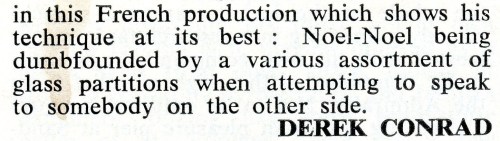
Here’s an seemingly rare favorable review for the last film that the great Preston Sturges directed, Les Carnets du Major Thompson aka The Diary of Major Thompson aka The French, They Are a Funny Race (you know, the more titles a film has, the better it generally is). By 1955, the year of this film’s release in France, Sturges was living in greatly reduced circumstances (compared to his Hollywood heyday) in Paris where someone (I forget the particulars but I’ll sort them out and add an update) allowed him to direct this film. It did nothing to restore his career. This surprisingly kind review appeared in the January 1958 issue of Films and Filming. Sturges fan that I am, I am somewhat embarrassed to report that this is his one film that I have not yet been able to see (if anyone out there knows how I can check this one out please make me aware), but it is usually dismissed as an unfortunate final act to an otherwise (more or less) great career.

diary
diary 2

secret ceremony

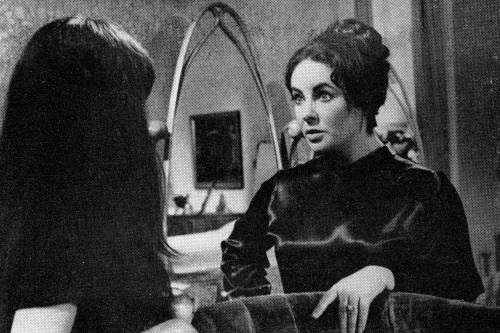
Elizabeth Taylor and Mia Farrow in Joseph Losey’s Secret Ceremony.

museum piece

keaton museum

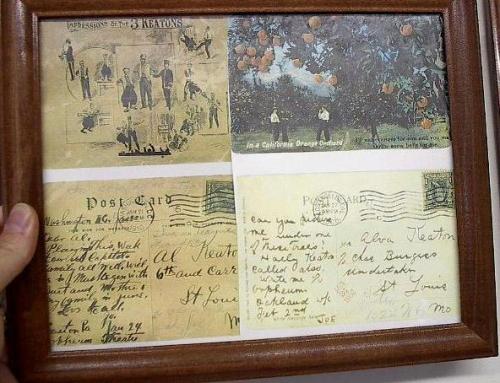
Piece: (Beautifully mounted and framed) Postcards sent by Joe Keaton to his cousin Alva Keaton while traveling the vaudeville circuit.

Where: The Buster Keaton Museum in Piqua, Kansas.

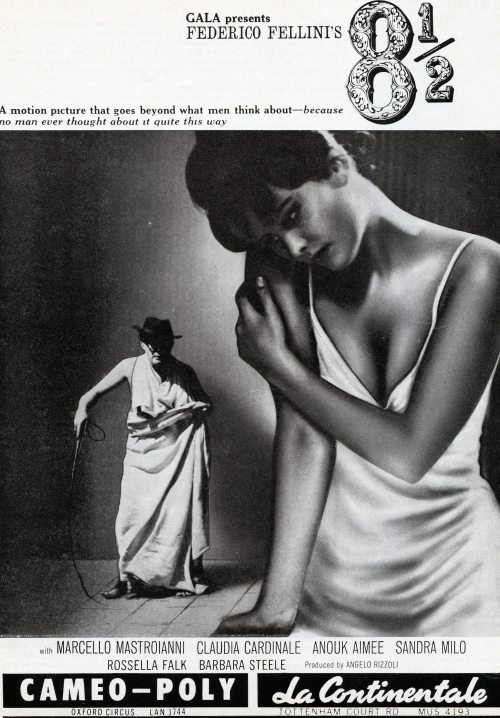
Fellini’s 8½. 1963.

pasolini directs

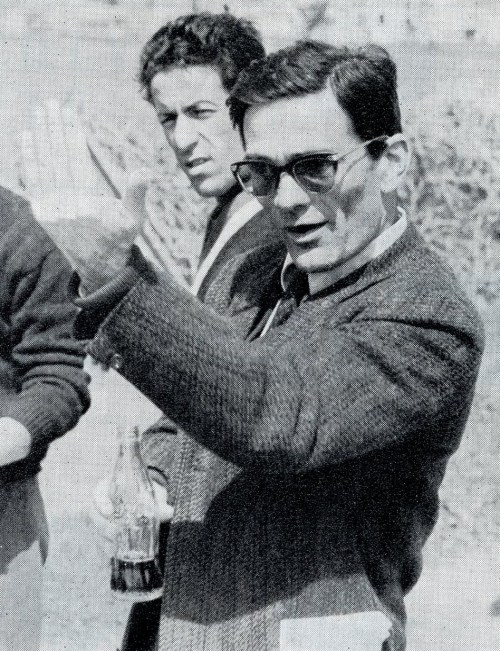
Pier Paolo has a coke and a smile on the set of Mamma Roma in 1962.

on location

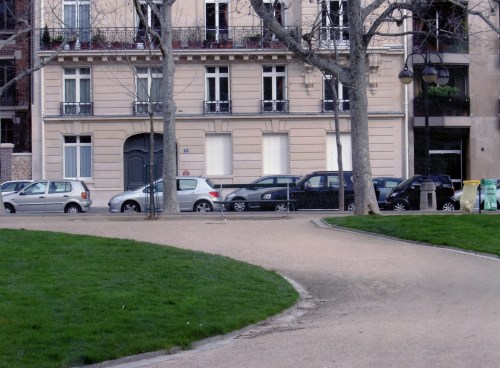
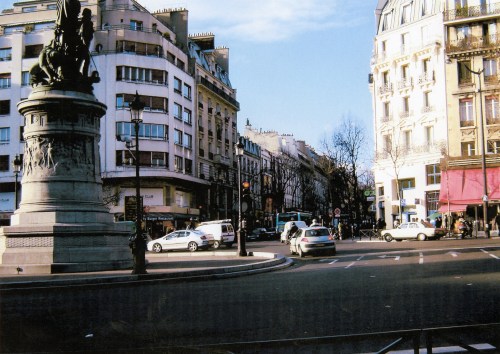
François Truffaut’s Stolen Kisses was filmed around Paris in 1968. Here are two of the locations as they appeared in the film and as they appear today.

cover art

Zabriskie Point appears on the cover of Sight and Sound more than a year before its release.

advertising

Marx and Mae

advert

The National Film Theater Summer 1966 season.

bogdanovich picks the classics

Every ten years since 1952, Sight and Sound Film Magazine has asked a selection of international film makers and critics to compile lists of what, in their opinions, are the ten greatest films of all time. These lists serve as ballots for the supposedly authoritative top ten list that the magazine publishes. It is Citizen Kane‘s chart-topping dominance on this survey since 1962 that, I believe, has lead to its reputation as The Greatest Film Of All Time. Kane didn’t even crack the top ten in 1952. It fell into the runners up catagory with the dubious likes of Chaplin’s Verdoux.

1952

In addition to publishing the “winners” list, the magazine also prints all of the ballots, which usually make for more interesting reading than top ten. Often, the compilers cannot resist writing a short note either apologizing to films or directors excluded or explaining that had they been asked another day, they’d have compiled a completely different set of films. Here are the ten films that were blowing up Lotte Eisner’s skirt in 1962 and her brief note explaining why she chose what she did (she was still carrying a torch for Verdoux!).

eisner

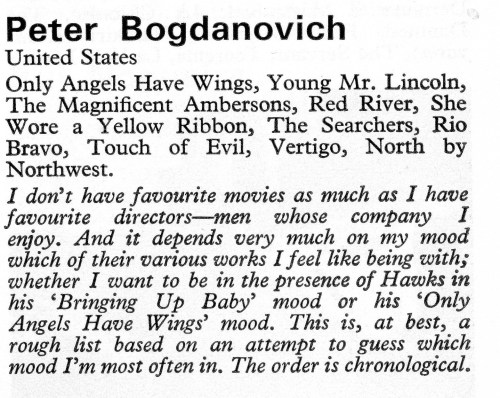
Fast forward ten years and Peter Bogdanovich, whose films I quite like up to and including the great They All Laughed (which ranked on Tarantino’s 2002 Sight and Sound poll), is asked to weigh in. Along with his top ten films, he added what is without a doubt the most pretentious note in the fifty years of the poll.

bogdanovich

Bogdanovich must have thought that that sounded pretty good because he made virtually the same remarks four decades later when AFI made the mistake of asking him what his favorite film is.

zabriskie point

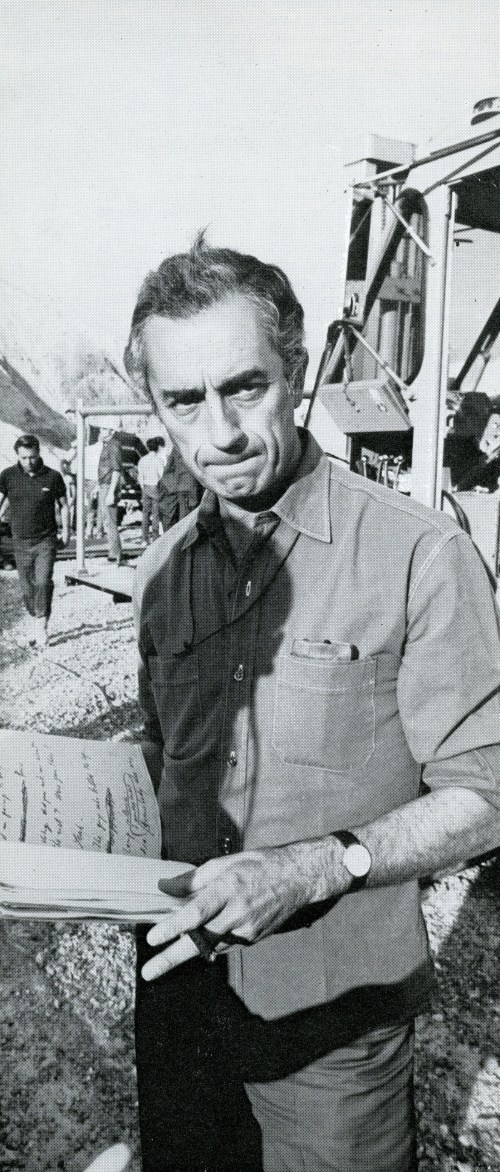
antonioni on the set

Oh, boy! Tonight, I finally got to see Michelangelo Antonioni’s 1970 feature Zabriskie Point. I generally like Antonioni’s films and I have been wanting to see this one for ages. It was his first film made in the United States (MGM payed the bill). While I liked the look of some of it, the film as a whole left me cold. I’m not sure exactly what Antonioni was getting at (it seemed to be a criticism of American consumerism–yawn) but as far as I’m concerned the film can be summed up with a quote from a black revolutionary character in the opening scene: a mix of jive and bullshit.

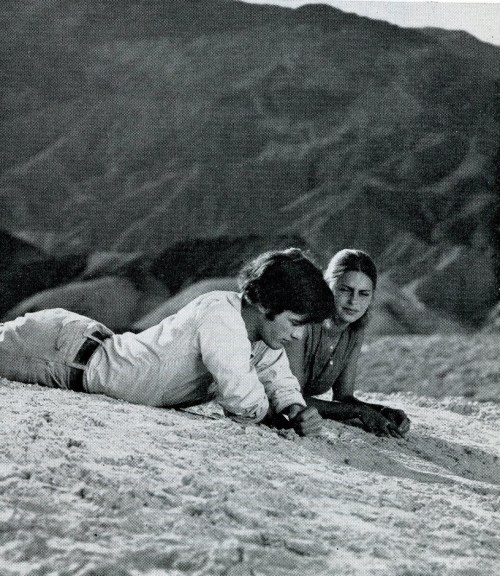
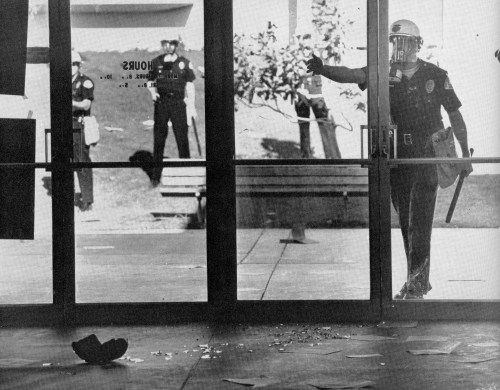
Anyway, the production stills were taken by photographer Bruce Davidson. Here are some scans. I might add more if I can find some.

the two bland leads

Mark Frechette, Michelangelo Antonioni and Daria Halprin

the cops

no words

It seems as though shooting in the States wasn’t exactly a picnic for Antonioni:

waste

Here is the final scene of Zabriskie Point. It is by far the most exciting bit of the film.

Along with Zabriskie Point, I also received Antonioni’s Red Desert, which I will hopefully watch later this week. Expect a post on it sooner or later. Also, I should mention that even though I didn’t quite know what to make of Zabriskie Point, it is still not my least favorite Antonioni film. That distinction goes to one of his supposed “masterpieces,” The Blow Up. I hated that one on every level.